Travertine Tiles and Pavers FAQs
What is travertine made of?
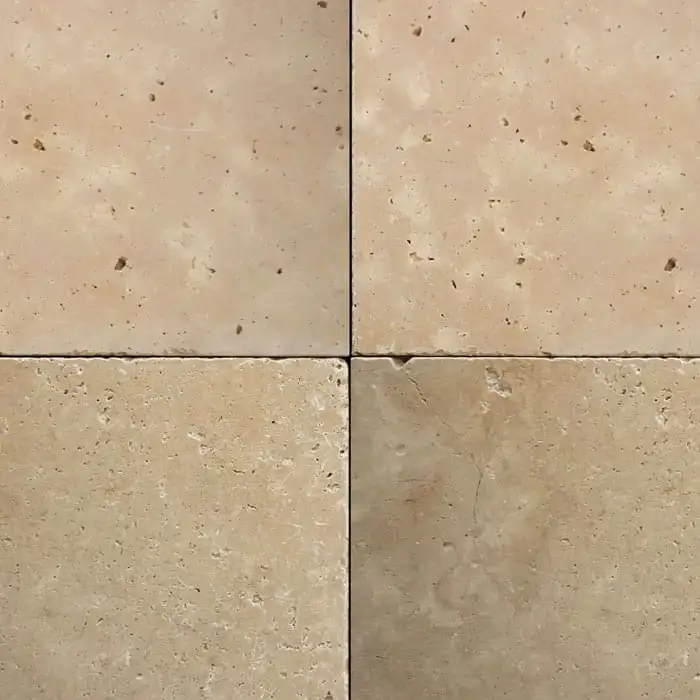
Travertine is a type of limestone formed by mineral deposits from natural springs, particularly hot springs. The stone is composed primarily of calcium carbonate, which is what gives it its unique, porous texture and a wide range of earthy colours, including beige, cream, gold, and rust. The stone’s natural formation process results in a material that is both durable and aesthetically pleasing, making it a popular choice for both indoor and outdoor applications.
Where does travertine come from?
Travertine is sourced from quarries located around the world, with the most famous deposits found in Italy, Turkey, and Mexico. Each region produces travertine with slightly different characteristics, such as colour variations and density, due to the unique geological conditions in each area. Italy, particularly the Tivoli region near Rome, has been known for its high-quality travertine for centuries. Travertine from Turkey is also highly regarded and widely used in modern construction projects.
What is the difference between travertine tile and travertine pavers?
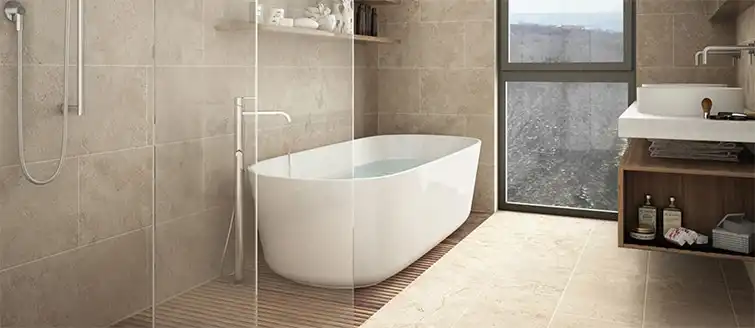
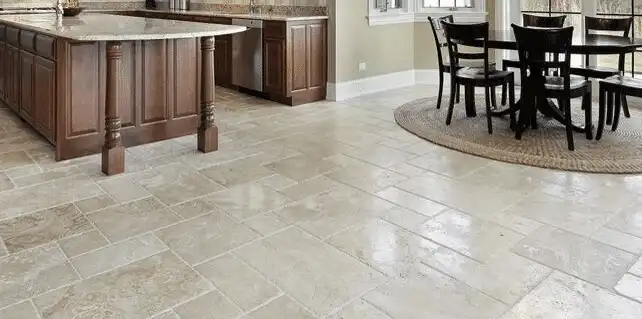
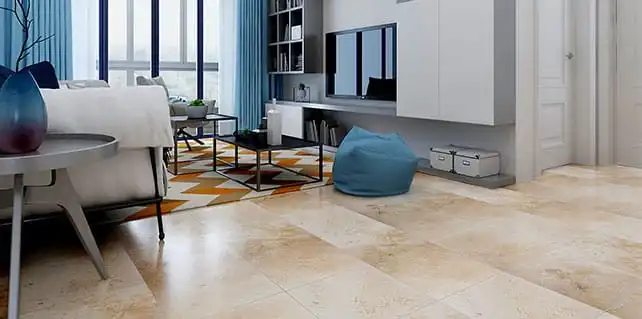
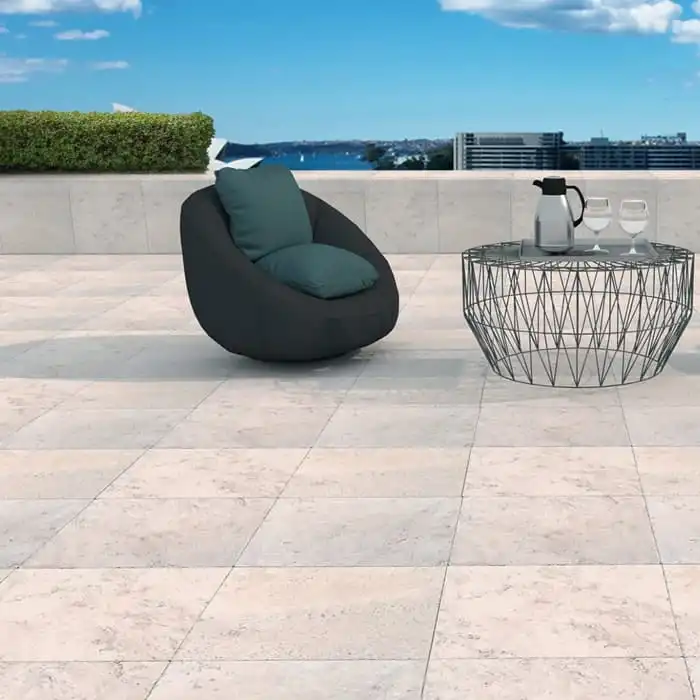
Travertine tiles and travertine pavers are both made from the same natural stone, but they differ in thickness and intended use. Travertine tiles are thinner, usually around 12mm thick, and are typically used for indoor flooring, walls, and countertops. They can also be used outdoors in areas with less foot traffic. Travertine pavers, on the other hand, are thicker, often 30mm or more, making them more durable and suitable for outdoor use. Pavers are commonly used for patios, walkways, driveways, and pool decks, where they need to withstand heavier loads and harsher weather conditions.
Are travertine tiles expensive?
Travertine tiles can be more expensive than other flooring options like ceramic or porcelain, but they are generally considered to be a mid-range to high-end option in terms of cost. The price of travertine varies depending on factors such as quality, finish, and origin. However, when considering the cost, it’s important to factor in the durability and timeless appeal of travertine, which can add long-term value to a home. While the initial investment may be higher, travertine’s longevity and natural beauty make it a worthwhile choice for many homeowners.
Is travertine slippery when wet?
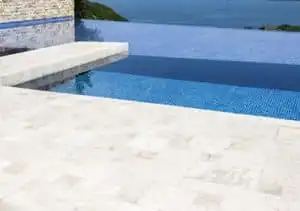
Travertine can be slippery when wet, especially if it has a polished finish. However, travertine is available in different finishes, such as honed, brushed, and tumbled, which provide more traction and reduce the risk of slipping. For outdoor areas, particularly around pools, tumbled or brushed travertine pavers are recommended because they offer better slip resistance. If you’re concerned about safety, especially in wet areas, choosing the right finish is key to minimising slipperiness.
How long do travertine pavers last?
Travertine pavers are known for their durability and can last for decades, even in outdoor environments. With proper installation and maintenance, such as regular sealing and cleaning, travertine pavers can withstand harsh weather conditions, heavy foot traffic, and the test of time. Many historic buildings made from travertine, like the Roman Colosseum, are still standing today, which is a testament to the stone’s long-lasting nature. Homeowners who choose travertine pavers for their outdoor spaces can expect them to remain beautiful and functional for many years.