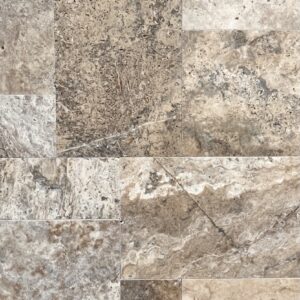
Huge Range, In Stock, Ready for Pickup or Delivery
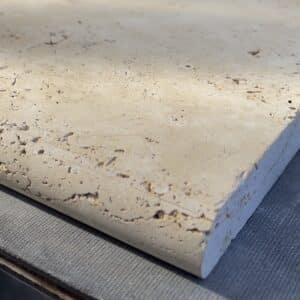
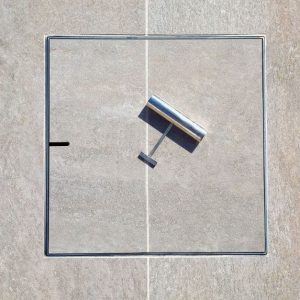
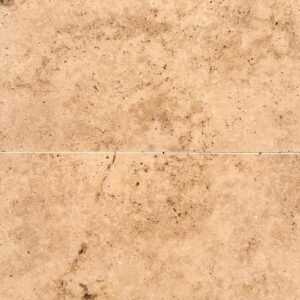
610 × 406 × 30 mm
$30.00 per Piece View Item
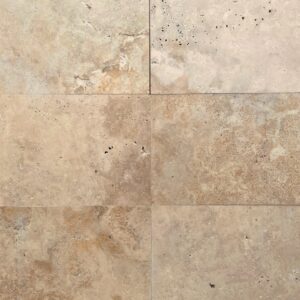
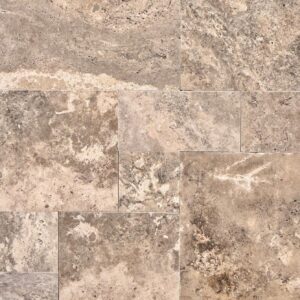
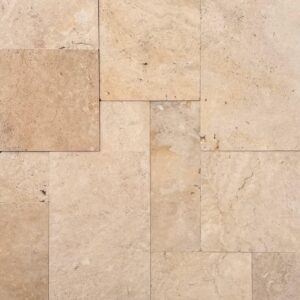
610 × 406 × 30 mm
$81.00 m² View Tile
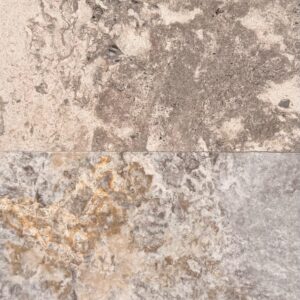
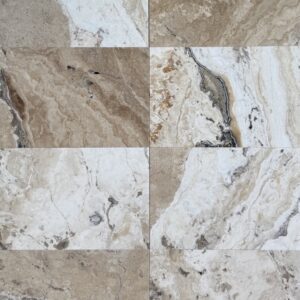
610 × 406 × 30 mm
$35.00 per Piece View Item
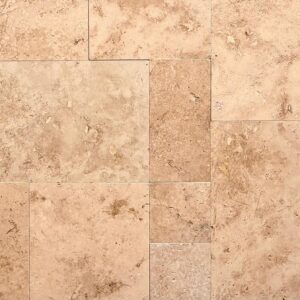
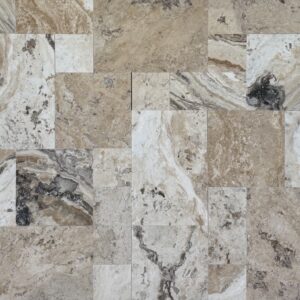
610 × 406 × 30 mm
$112.00 m² View Tile
610 × 406 × 30 mm
$92.00 m² View Tile
610 × 406 × 30 mm
We import travertine direct from the manufacturers, with no middlemen. That is where the outlet price comes from, and it is why customers drive in from across greater Sydney and interstate. The numbers still work after freight. Don’t pay boutique prices for natural stone.
Natural stone varies batch to batch, and a photograph only takes you so far. We provide full-sized samples, so you can check the stone against your own paving, render and planting before you commit to an area.
Additionally, you can book a free consultation with Stephanie, our in-house designer. With over 15 years in colour and interiors behind her, she’ll match travertine to your style, budget and timeline. You can also use the Room Visualiser to see a finish across a whole area.
Our Smithfield warehouse holds over 750,000m² of tile and stone, so most travertine is in stock. Order in store before 2pm and collect the same day, or order online and we’ll email your collection time within 24 hours. You can also walk the range at our Smithfield and Alexandria showrooms.
Travertine pavers are thick-cut paving stones made from travertine, a natural limestone formed over thousands of years by mineral deposits in hot springs. The textured surface and earthy tones make them a common choice for pool surrounds, patios, alfresco areas and pathways. Because travertine is natural stone, every piece is unique in colour and veining, which is the main thing that separates it from concrete pavers.
Seal before grouting, then reseal every year or two outdoors. Use a penetrating sealer made for natural stone, applied with a microfibre pad or roller on a clean, dry surface. Travertine is porous, so sealing is what protects it from staining and weathering. It is a quick job and it is the main reason travertine lasts as long as it does.
Sweep loose debris regularly and wash with warm water and a pH-neutral cleaner made for natural stone. Avoid anything acidic or harsh, so no vinegar, lemon juice, bleach or ammonia, as these etch the surface and discolour the stone. For stubborn marks, a poultice cleaner formulated for natural stone will lift most of them without damaging the finish. Keeping the pavers sealed is the best protection.
Travertine is the most commonly specified natural stone for pool surrounds in Australia. It stays cool underfoot in direct sun, the natural pitting in tumbled and unfilled finishes gives grip when wet, and as a limestone it handles pool chemicals and coastal salt air well. Pair the field pavers with coping to cap the edge. Travertine around a pool is often called pool tiles, though the product is a paver rather than a tile. Glass mosaics for the waterline and pool interior are a different job, and those sit under pool tiles.
Travertine is one of the more slip-resistant natural stones, which is why it is widely specified for pool surrounds and wet outdoor areas. Tumbled and honed unfilled finishes give the best grip, thanks to the natural pitting in the stone. Honed is smoother and slightly less grippy wet, so for pool surrounds and outdoor steps go with tumbled or unfilled.
Price comes down to colour, finish and format. Standard-format tumbled and honed pavers sit at the lower end of the range, while French pattern sets and premium colourways sit higher. Coping and bullnose are priced per piece rather than per square metre, so they are costed separately from the field area.
At TFO, travertine pavers run from $77 to $138 per square metre depending on colour, finish and format. Coping pieces start at $30 each and bullnose at $35. Current pricing is shown on every product in the range above. Because we import direct from the manufacturers with no middlemen, you are buying natural stone at outlet prices rather than boutique ones.
Work out the area in square metres, then add 10 to 15 percent for cuts and waste. French pattern needs a little more because of how the sizes interlock. Pool surrounds also need coping measured separately, in lineal metres around the pool edge rather than by area. Use our tile calculator to work out the exact numbers of travertine pavers you might need.
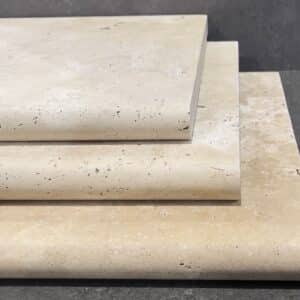
Coping is the finishing edge that caps the rim of a pool. It covers the shell, gives a rounded edge that is comfortable to sit on, and stops water running back under the pavers. Bullnose is the same idea with a rounded profile, and it also works on steps and the edge of a raised patio.
Both are sold per piece rather than by the square metre. We stock coping in YA Beige and bullnose in Malibu, so check the colourway before you settle on a field paver.
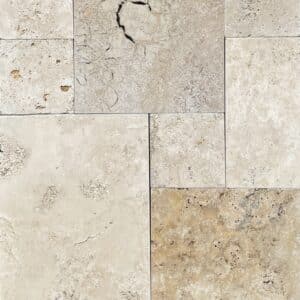
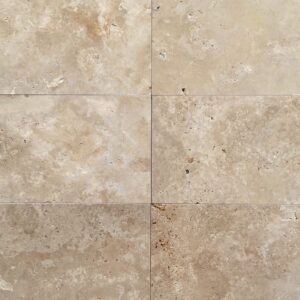
Our range runs from beige and classic light through to silver and mixed blends. Because travertine is natural stone, tone varies between pieces and between batches, which is part of the appeal but also the reason to order from one batch where you can. We sell full-sized samples, so you can see how a colour reads in your own light before committing to a whole area.
Yes. 30mm is the standard thickness for a residential driveway and it is what we stock. The base matters more than the stone. A driveway needs a properly compacted road base underneath, and for heavy or commercial traffic you would move to a concrete slab or thicker stone. For a normal domestic driveway, travertine on a compacted base is the usual specification.
Three finishes, plus French pattern as a layout and matching trim pieces.
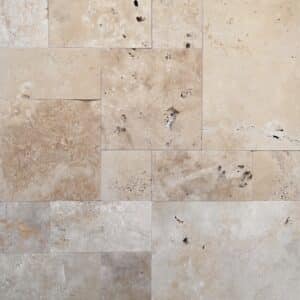
Tumbled is the most popular for outdoor use, with edges and surfaces softened mechanically for a weathered look and good grip. Honed is smoother and more refined. Honed unfilled keeps the natural pitting visible for more texture and more grip.
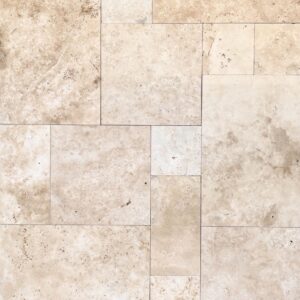
French pattern travertine paving lays several paver sizes together in a repeating design. Coping and bullnose are available in selected colourways for pool edges and steps.
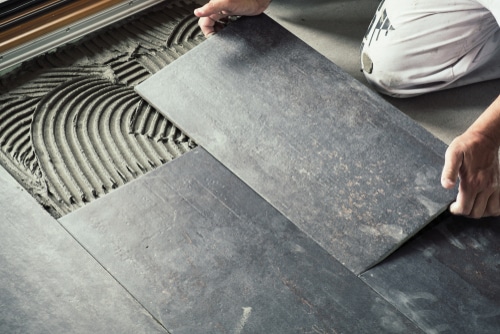
Travertine tiles and pavers are the same stone, cut for different jobs. A paver is thick enough to carry weight on its own, so it can be laid on a compacted base. A tile is thinner and relies on the surface underneath it, so it has to be bonded to concrete with adhesive and grout. Travertine tiles are usually 12mm or 15mm and suit indoor floors, walls and bathrooms. Pavers are 30mm and are built for outdoor use. Plenty of projects run both, with pavers outside and travertine tiles inside.
Both work, and it depends on the job. On a compacted road base with a bedding layer, pavers can be laid dry, which suits patios, pathways and courtyards. Over an existing concrete slab they are glued down with adhesive, which is common around pools. A driveway needs the compacted base done properly. Your paver or landscaper will make the call based on the ground and the traffic.